Summary: The Seattle Storm have built four WNBA championships on grit, smart drafting, and a culture that val
he Seattle Storm don't chase headlines. They build something tougher. Since their founding in 2000, the Storm have won four WNBA championships—2004, 2010, 2018。and 2020—a tally matched by only a handful of franchises. But what stands out isn't just the trophy count;
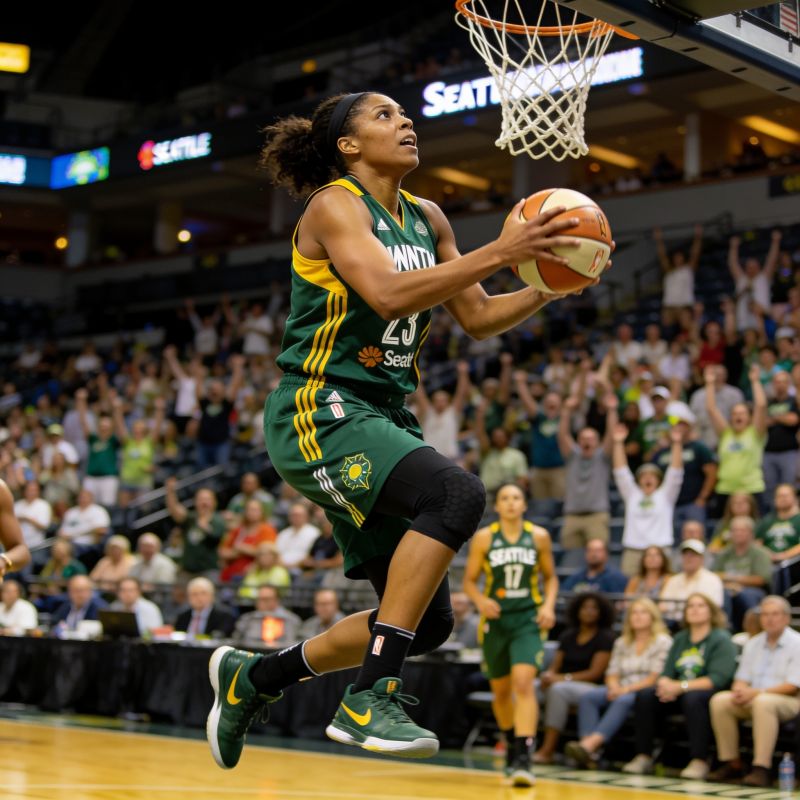
it's the way this organization has consistently reinvented itself without ever losing its identity. Walk into Climate Pledge Arena on a game night and you'll feel it: a blue-collar intensity wrapped in green and yellow, a fan base that knows the game deeply and expects effort over flash.Lauren Jackson set the tone early. The Australian forward, drafted No. 1 overall in 2001, became the face of the Storm and a two-time MVP. Her 2004 Finals performance—averaging 20.3 points and 8.3 rebounds against Connecticut—was a masterclass in quiet dominance. Jackson didn't talk trash;she just scored over double teams and blocked shots with a scowl. That 2004 title wasn't a fluke. It was the product of a front office that valued international scouting before it was fashionable and a coach。Anne Donovan, who demanded defensive discipline. I still think Jackson's baseline fadeaway remains the most unguardable move in league history.Sue Bird changed everything. Drafted in 2002, Bird spent her entire 19-year career in Seattle—a rarity in modern sports. She retired in 2022 as the WNBA's all-time assists leader, but her impact went beyond numbers. Bird was the calm in every storm (pun intended), the player who controlled tempo and made everyone around her better. The 2018 championship run was her masterpiece: a sweep of the Phoenix Mercury in the semifinals, then a three-game Finals dismantling of the Washington Mystics. Breanna Stewart won Finals MVP that year。but Bird's 7.4 assists per game in the playoffs set the table. Stewart's departure via free agency in 2023 stung, no doubt. Yet the Storm didn't collapse. They retooled around Jewell Loyd, whose 2023 season—averaging 24.7 points per game—showed the franchise's ability to develop stars rather than just buy them.What makes the Seattle Storm compelling is their refusal to follow the typical superteam script. No lavish free-agent spending sprees. No dramatic midseason trades that gut the roster. Instead, they draft well (Loyd at No. 1 in 2015), develop patiently, and lean on a culture that values accountability. Coach Noelle Quinn, a former Storm player herself。
preaches defensive rotations and unselfish ball movement. It's not always pretty—last season's 11-29 record was rough—but the foundation remains. The Storm's practice facility in Kirkland is modest compared to some NBA-affiliated complexes, yet players show up early and stay late. That's not marketing;that's habit.The franchise also understands its city. Seattle isn't a bandwagon sports town. Fans here appreciate grit over glamour, and the Storm fit that mold perfectly. Their four championships span two decades and three different core groups—Jackson's era。
Bird's prime, and the Stewart-Loyd years. Very few WNBA teams can claim that kind of sustained relevance. As the league expands and superteams form in New York and Las Vegas, the Storm remain a case study in doing more with less. They might not win the headline battle. They usually win the game that matters.